1902 – 1928
1. A Cricket-Mad Family
In 1902, the Tobins left Eastham House and a new family moved in — the Vernons.
The Vernons were successful flour millers, with extensive warehouses on Birkenhead Docks. During the First World War the family business would play an important part in maintaining flour supplies at a time of enormous national pressure.
But there was another enthusiasm which seems to have occupied almost the entire family.
They were cricket-mad.
One of the first things they did at Eastham House was to create their own cricket ground.
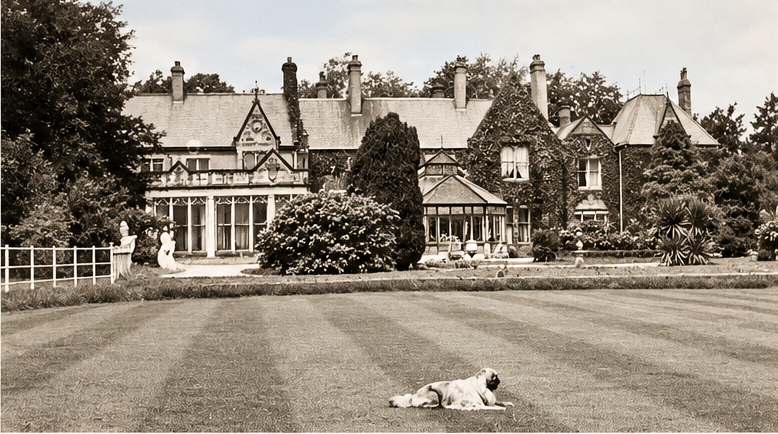
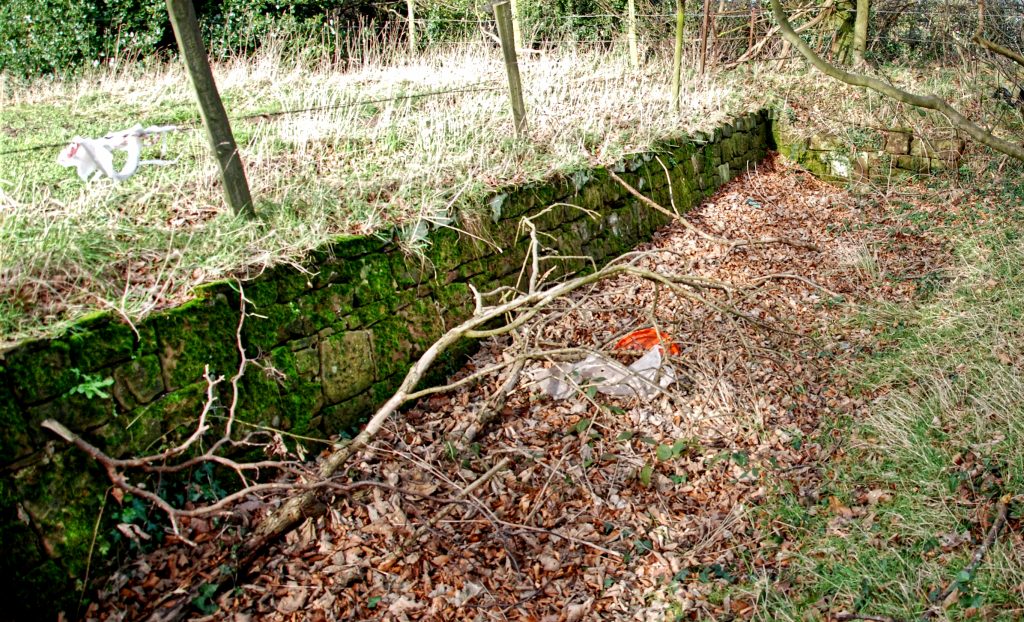
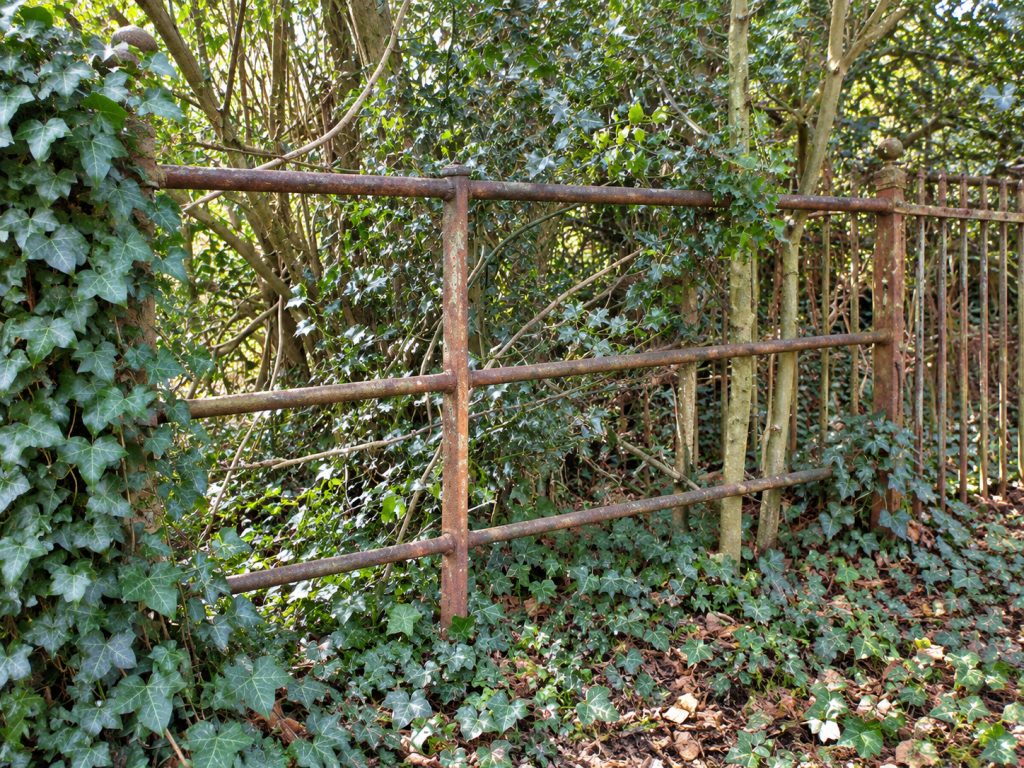
More than a century later, the cricket ground has returned to agriculture but, if you know where to look, you will find traces of its cricketing past.
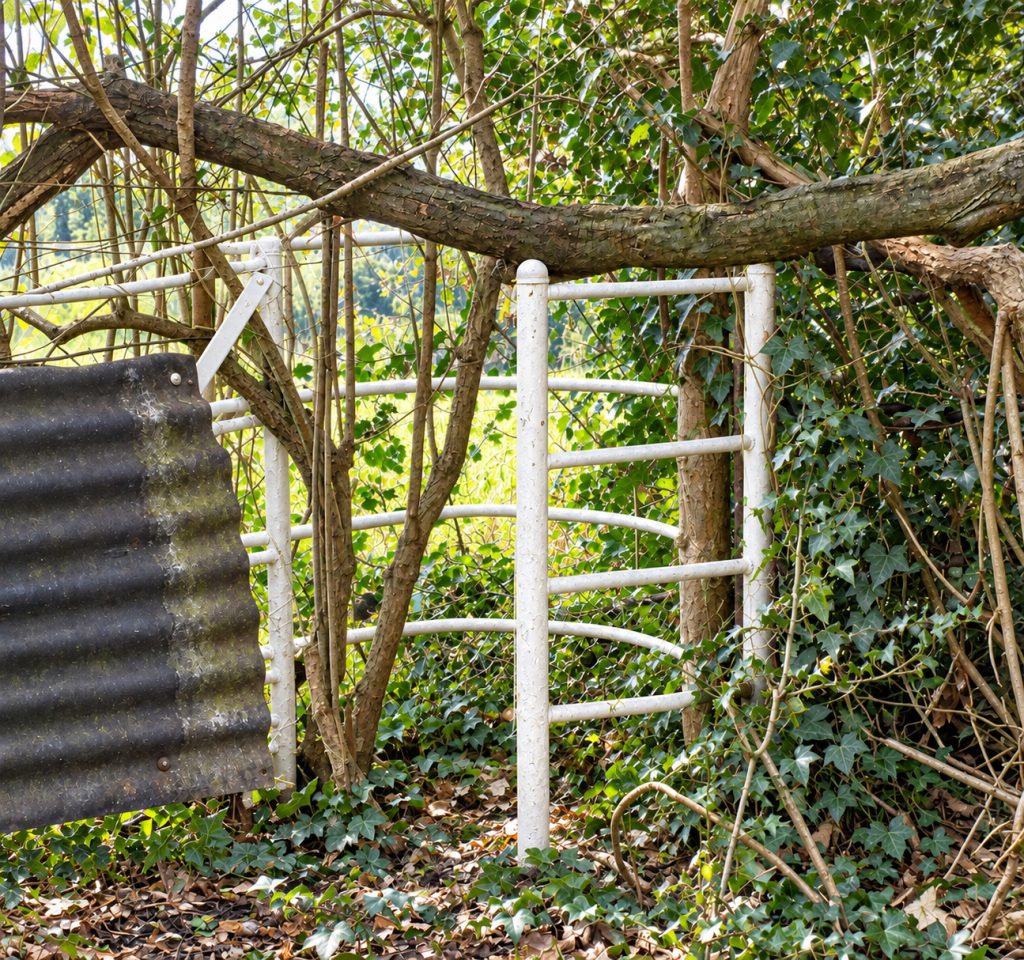
The ha-ha, which prevented grazing animals wandering onto the playing area, survives. So too do sections of the white-painted iron railings which once enclosed the ground, now rusty and almost hidden amongst the vegetation.
2. Cricket at Eastham House
By 1908, cricket was becoming a regular feature of life at Eastham House.
Norman Vernon wrote a wonderfully tongue-in-cheek assessment of the family’s performances that season — committing his opinions to paper and, unintentionally, to posterity.
H. D. Vernon was:
“positively brilliant.”
J. H. Vernon was:
“rather ageing — I’m afraid — for cricket.”
W. N. Vernon:
“has had a bad season… and is very casual.”
And poor H. B. Vernon received the rather uncompromising verdict:
“He needs practise in catching.”
The children grew up, but cricket remained at the centre of family life. They had also been joined by Nina Vernon, a keen photographer who had her own darkroom within Eastham House.
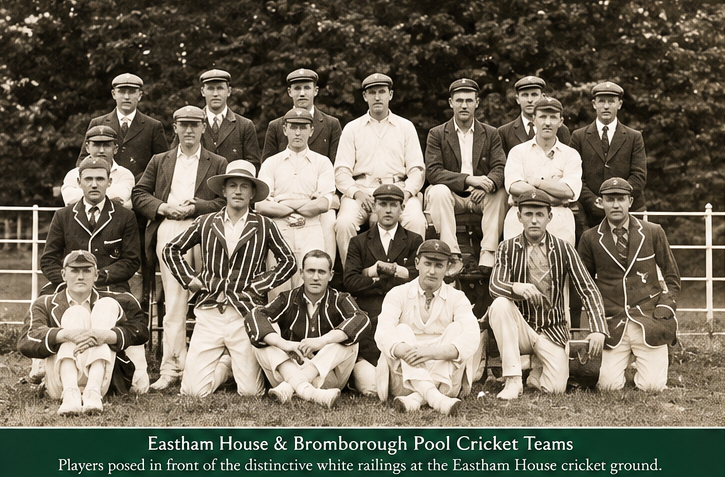
Thanks in considerable part to her camera, an extraordinary visual record survives of cricket at Eastham House — players in striped blazers, marquees beside the boundary, wicker chairs, spectators and, inevitably, cricket teas.
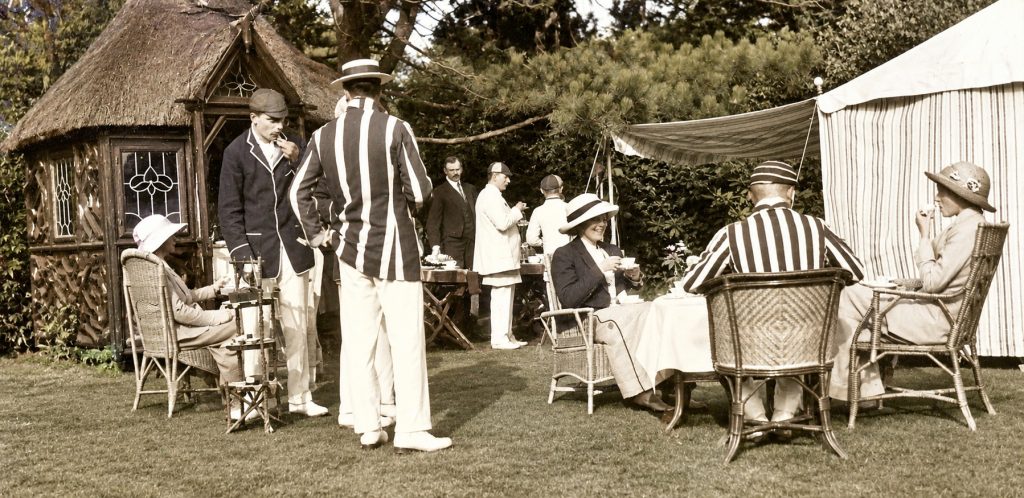
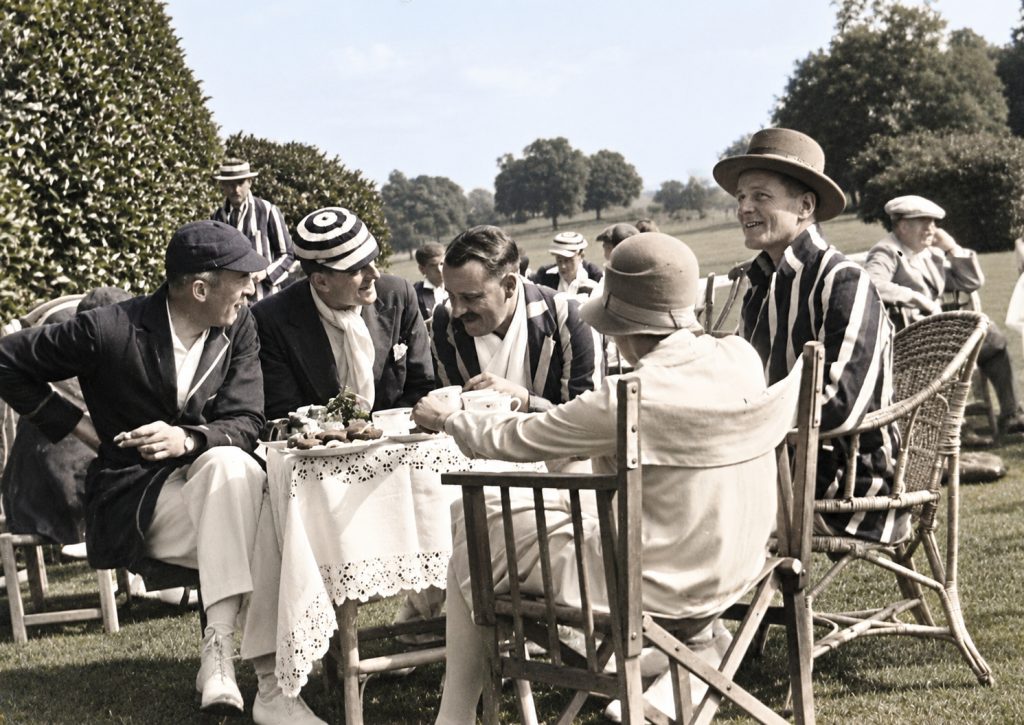
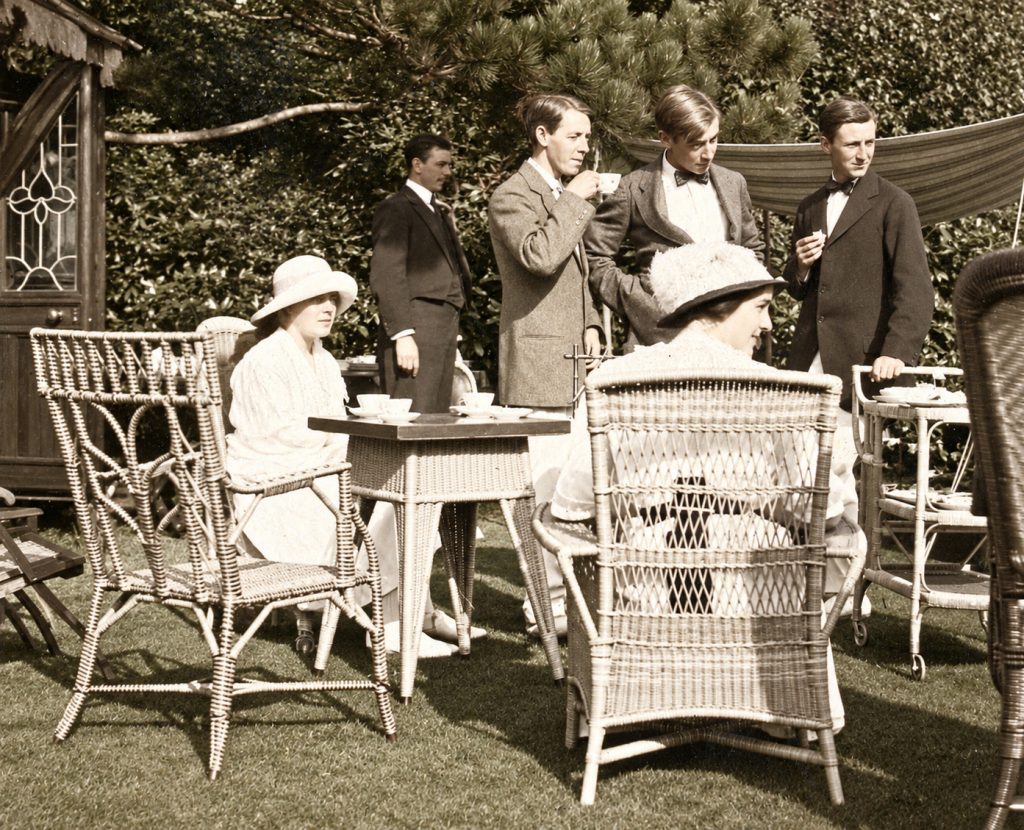
Crickets teas have long been a feature of the game perhaps starting in Eastham with that tea in the first ever recorded game in Eastham in 1856 – see The Prologue
By now the Eastham House side had a substantial fixture list, including matches involving the village cricketers playing on the Recreation Ground.
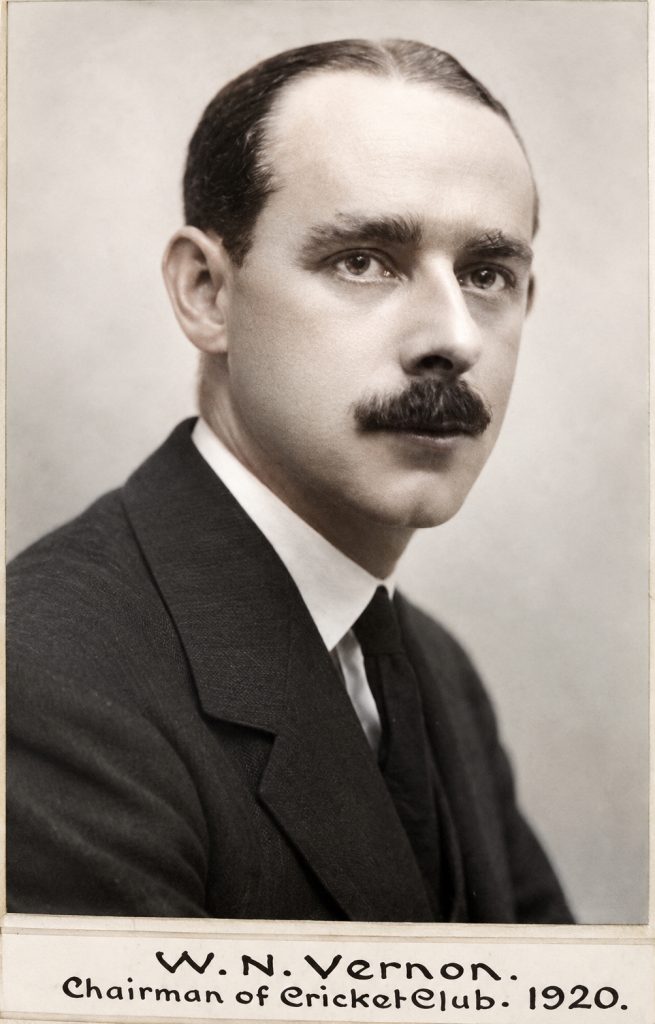
This appointment of Norman Vernon as captain of the Eastham Village side is significant because it demonstrates that the two cricketing worlds — Eastham House and village cricket — were not separate. The Vernons were now firmly part of Eastham cricket.
3. The Ladies Take the Field
One bowler. One innings. Every wicket.
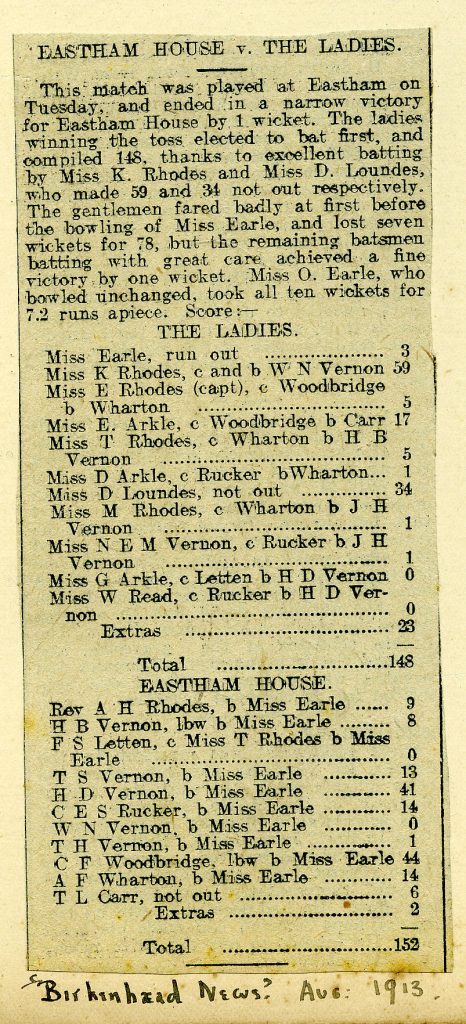
Then, in August 1913, came one of the most remarkable matches preserved in the Eastham records.
Eastham House played “The Ladies”.
The Ladies batted first and made 148, with Miss K. Rhodes scoring 59 and Miss D. Loundes finishing unbeaten on 34.
Eastham House then collapsed spectacularly.
At one stage they had lost seven wickets for just 18 runs.
The reason was Miss O. Earle.
Bowling unchanged, she took all ten Eastham House wickets.
Remarkably, the House batsmen eventually recovered and scraped home by a single wicket, making 152 — but Miss Earle’s ten-wicket performance was unquestionably the achievement of the day.
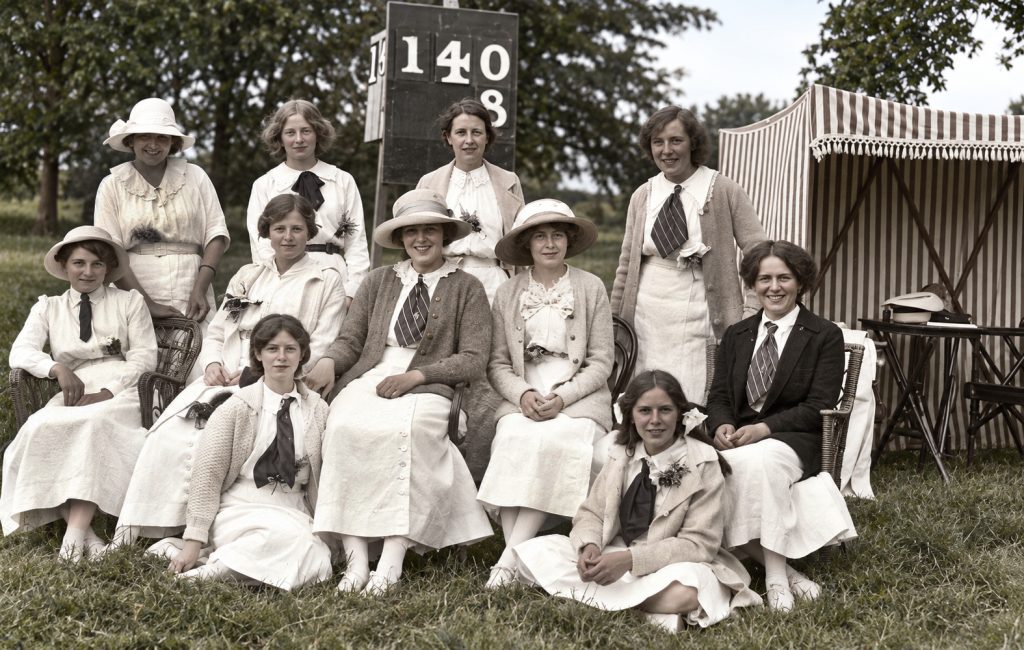
I would make TEN WICKETS! a green/gold feature heading here. It is one of those wonderful historical details that will make visitors stop scrolling.
4. A Generation Interrupted
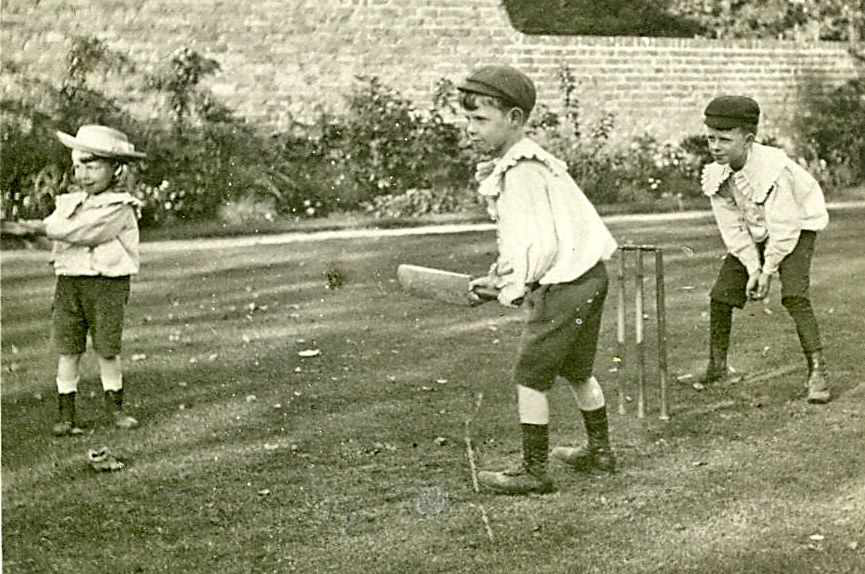
For the Vernon children, cricket had been part of growing up at Eastham House.
But one of those boys would never grow old there.
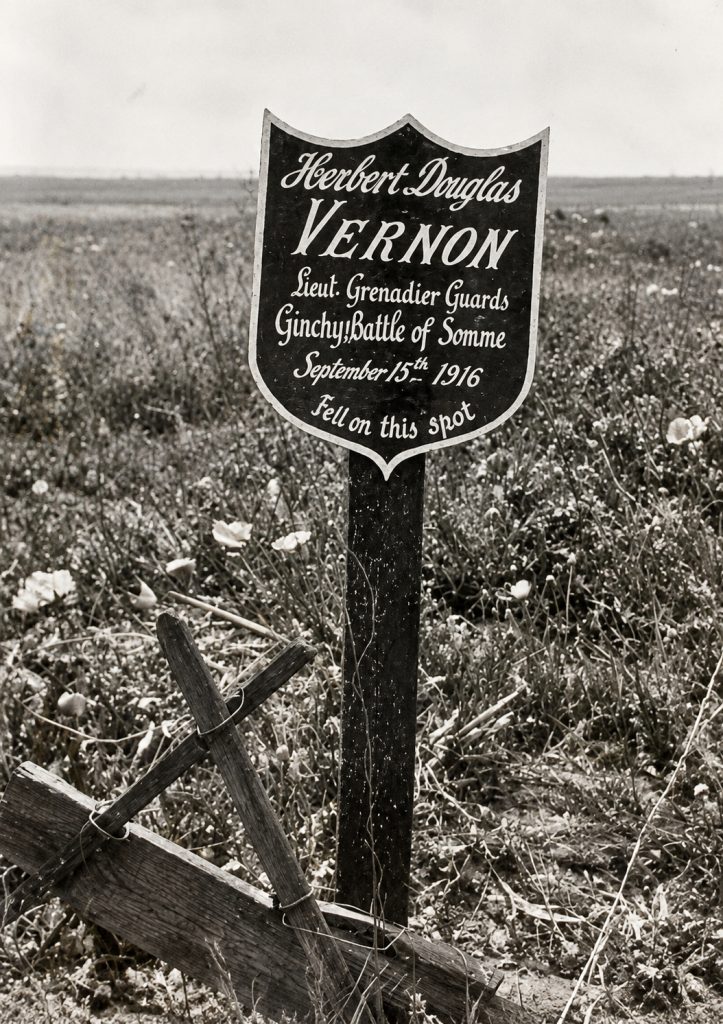
Herbert Douglas Vernon was born in 1893 and came to Eastham House with his family as a child. After Mostyn House and Charterhouse, he went to Oxford, where he distinguished himself at sport.
Then came August 1914.
Douglas joined the Grenadier Guards and served on the Western Front.
On 15 September 1916, Lieutenant Herbert Douglas Vernon was killed at Grinchy September 15th during the Battle of the Somme. He was just 23.
The family who had spent so many summer afternoons playing cricket together at Eastham House had lost one of their own.
5. Cricket Returns
After the war, cricket returned.
And Nina Vernon was there with her camera to record it.
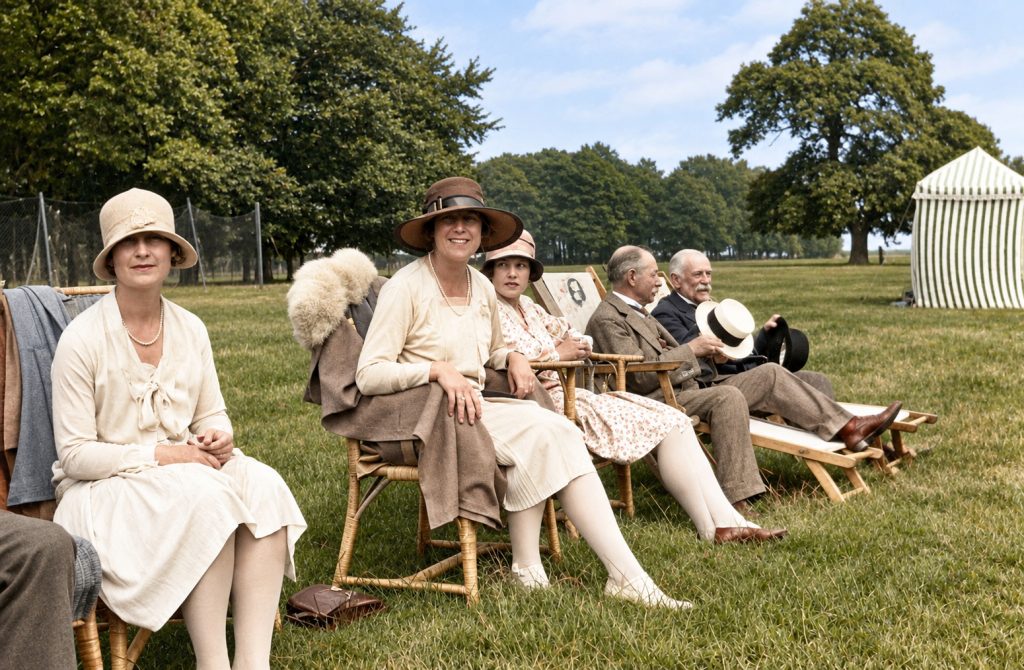
The surviving photographs show something more than eleven men playing a game. There are striped club blazers and marquees, wicker chairs and tea tables, families and spectators gathered around the boundary.
Cricket had once again become part of the social life of Eastham.
The Vernons remained deeply involved. Norman Vernon was captain of Eastham Cricket Club in 1920, while the scorecards of the period are scattered with Vernon names.
Matches from the early 1920s show the House, the Vernon family and the village club becoming increasingly intertwined.
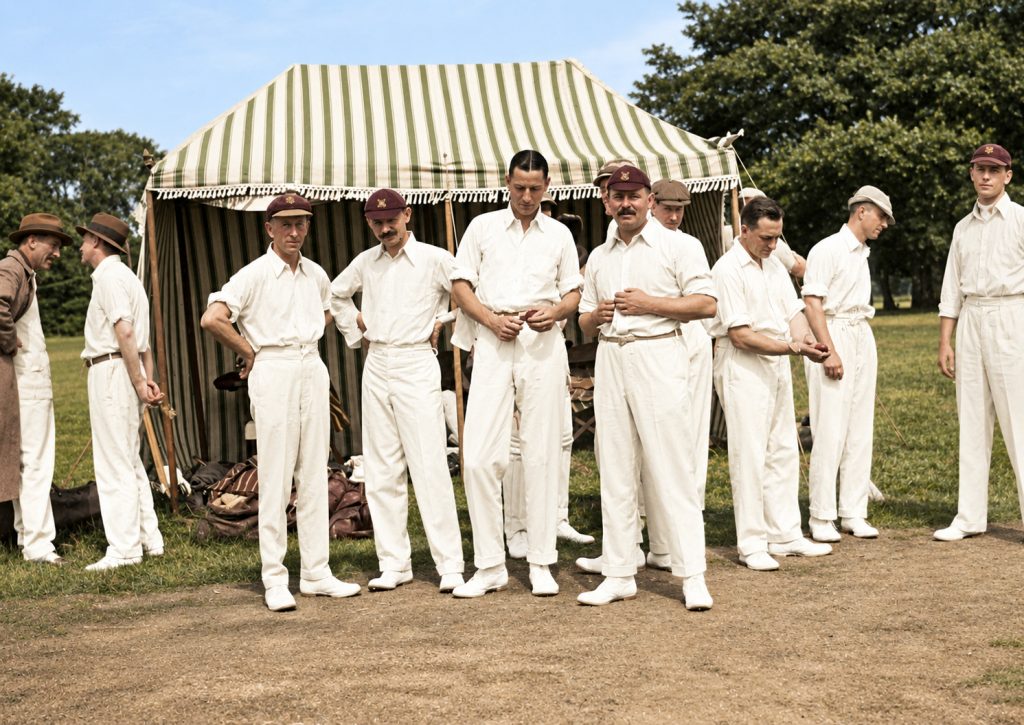
In September 1923, the season ended with H. B. Vernon’s XI defeating E. C. Tunnicliffe’s XI by 62 runs — another glimpse of the Vernons at the heart of Eastham cricket.
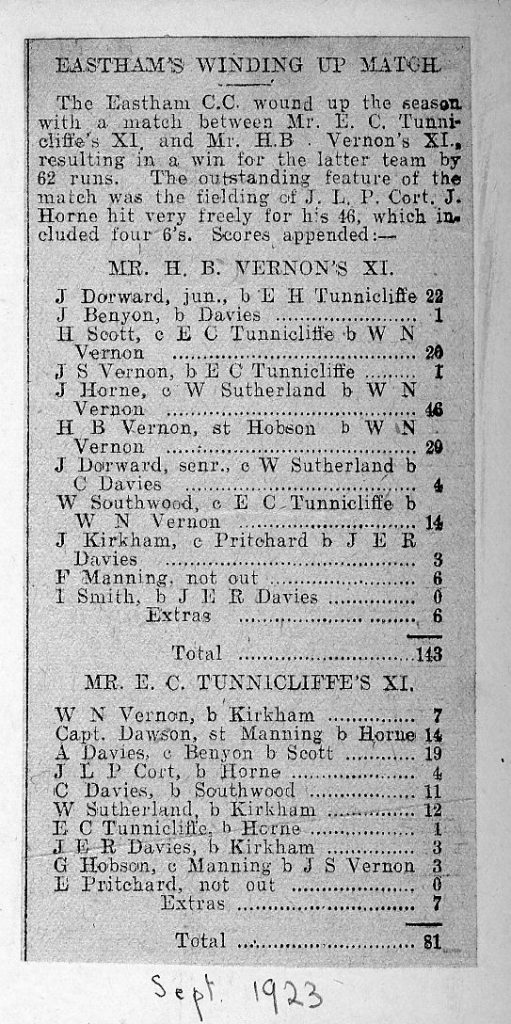
Then a Research Centre button:
Explore the Eastham scorecards & match reports
6. From Eastham House to Torr Park
This is where I would alter your draft most substantially.
While cricket continued at Eastham House, another part of the story was developing only a short distance away.
Canon Torr had died in 1924, leaving about 3 acres of Land described in his Will as “it shall be situate as near as possible to the Village perhaps on the south west corner of the estate opposite the present Recreation Ground.(thus probably including the old quoiting ground)” and continuing “for the use and benefit of the Parishioners and Villagers of Eastham and others as may be agreed upon by my heir with the other trustees either providing for its use as an open space or recreation ground”. He concludes “I trust that this gift may prove a benefit and another source of happy neighbourly amenities between all classes”
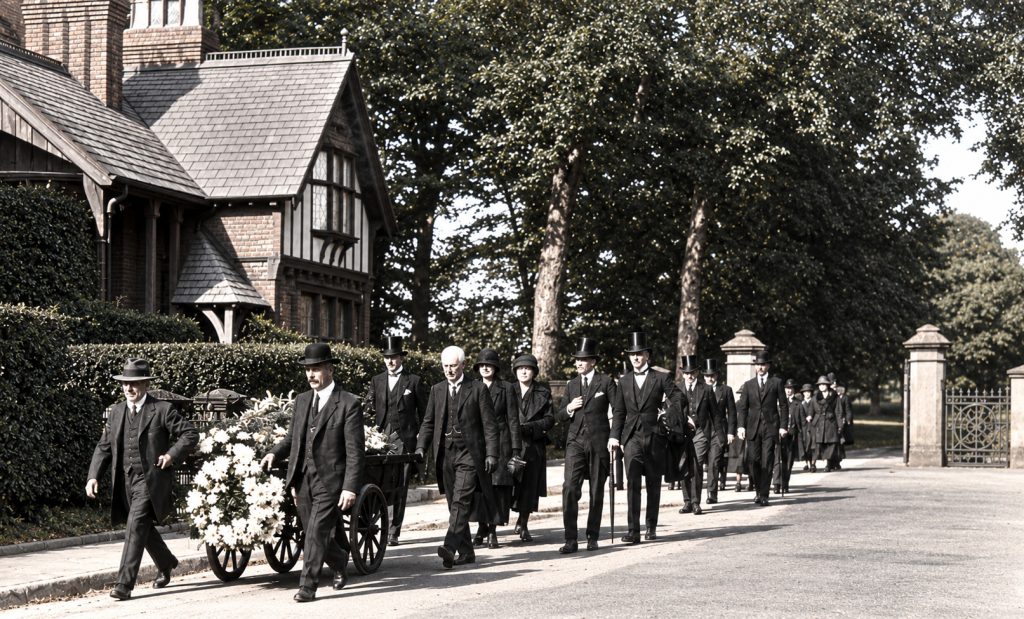
So seventy-five years after John Torr laid down his cricket ground in Carlett Park and twenty-five years after being evicted from the old Recreation Ground the people of Eastham had another – this time theirs for posterity. Its name –
Torr Park
How they used it is revealed in the rest of this story.
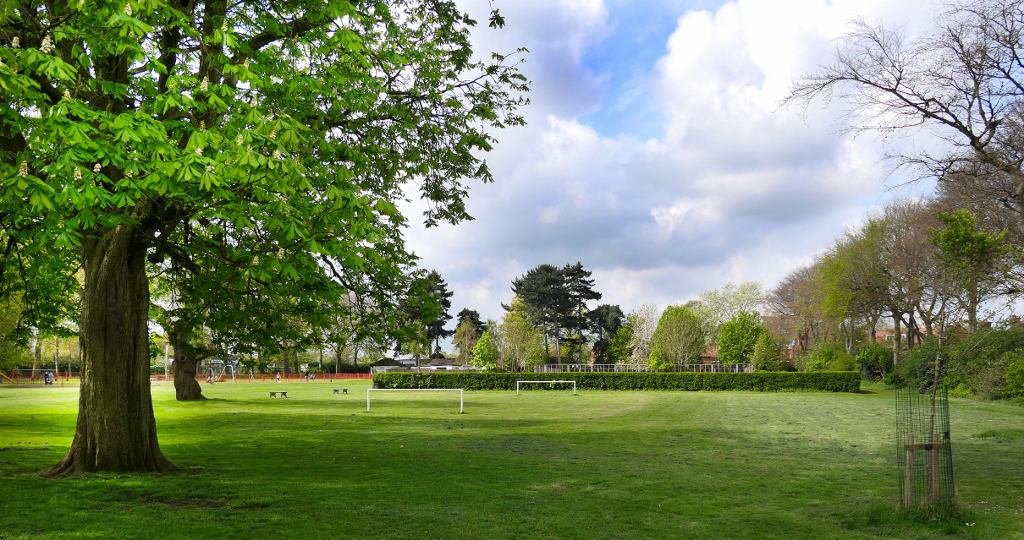
7. The End of the Vernon Years
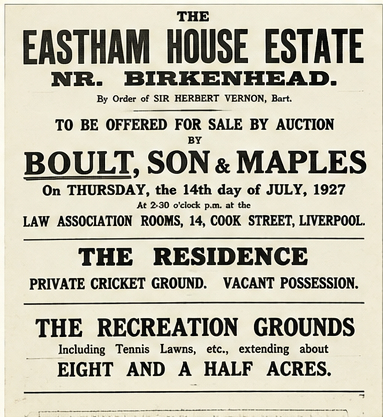
In 1928, Eastham House was sold again.
Sir J. Vernon sold the house for £10,000 to the Birkenhead Guardians, who acquired it as an extension to their St Catherine’s institution.
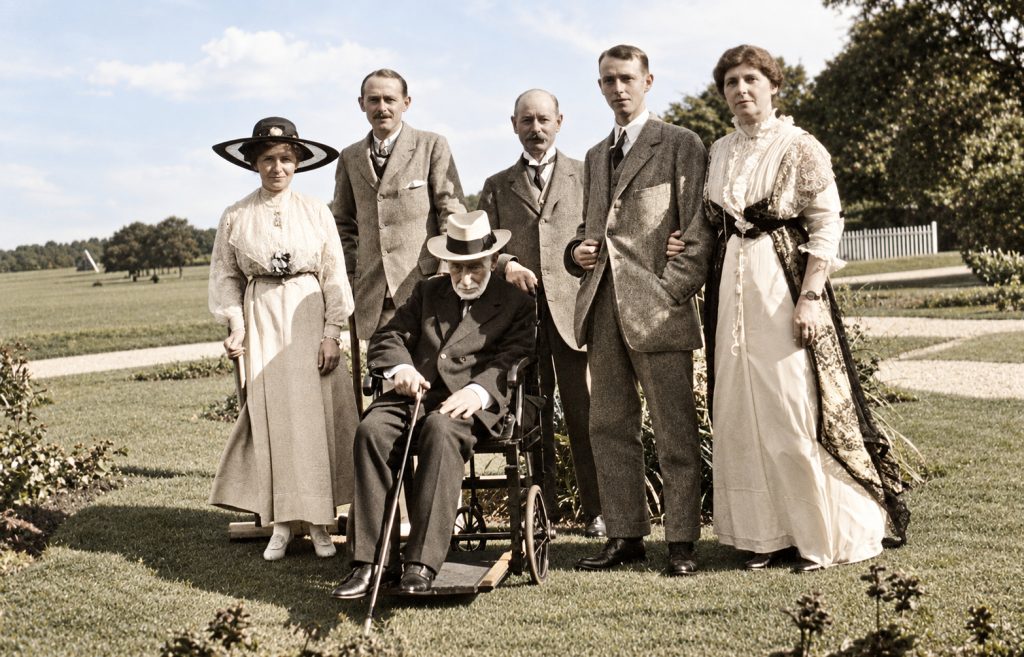
One last family photograph in the garden of Eastham House with their beloved cricket field behind them, for 26 years the scene of so much laughter, cricket teas and some remarkable cricket.
For more than a quarter of a century, Eastham House had been home to an extraordinary cricketing family. They had created their own ground, played alongside the village cricketers, encouraged women’s cricket and — through Nina Vernon’s camera — left us an exceptional photographic record of those summer afternoons.
The Vernon family had gone.
But cricket itself had not left Eastham.
Its centre of gravity was shifting once again — towards the ground where this story had begun.
Carlett Park.
The wicket laid out by John Torr in 1854 was about to begin another life in Torr Park
Explore the Story
Follow the story from the beginning — or jump straight to another period.