1899 – 1920
A Ground for the Village
By the end of the nineteenth century, Eastham had developed a lively sporting tradition.
There had been cricket, bowls, quoits and other activities, but the different sports had largely developed through their own separate clubs.
In February 1899, something more ambitious began.
The newly formed Eastham Recreation Ground United Committee set out to secure a recreation ground for the village — somewhere large enough and central enough to bring its different sports together.
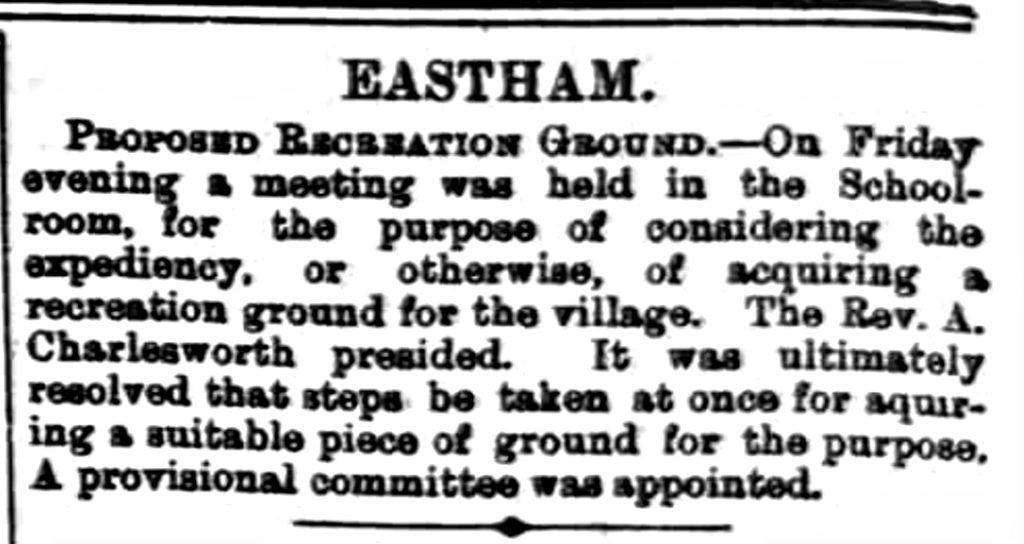
Canon Torr later recalled how the idea had developed:
“Some of us felt that one of the greatest benefits to the village & parish would be a ‘good’ sized and central common Recreation Ground.”
But his ambition went far beyond simply providing somewhere to play games.
He hoped the ground would bring the village together:
“May it long secure wholesome recreations to our parish, with pleasant social intercourse and the intermingling of old and young, rich and poor, the strong with the infirm.”
That was the vision behind the Recreation Ground.
More Than a Sports Ground
The idea worked.
Over the following years the Recreation Ground became home to a variety of village sports and activities.
Cricket was played there. There were tennis courts and other sporting facilities, while the surviving records introduce us to some of the people who helped run them.
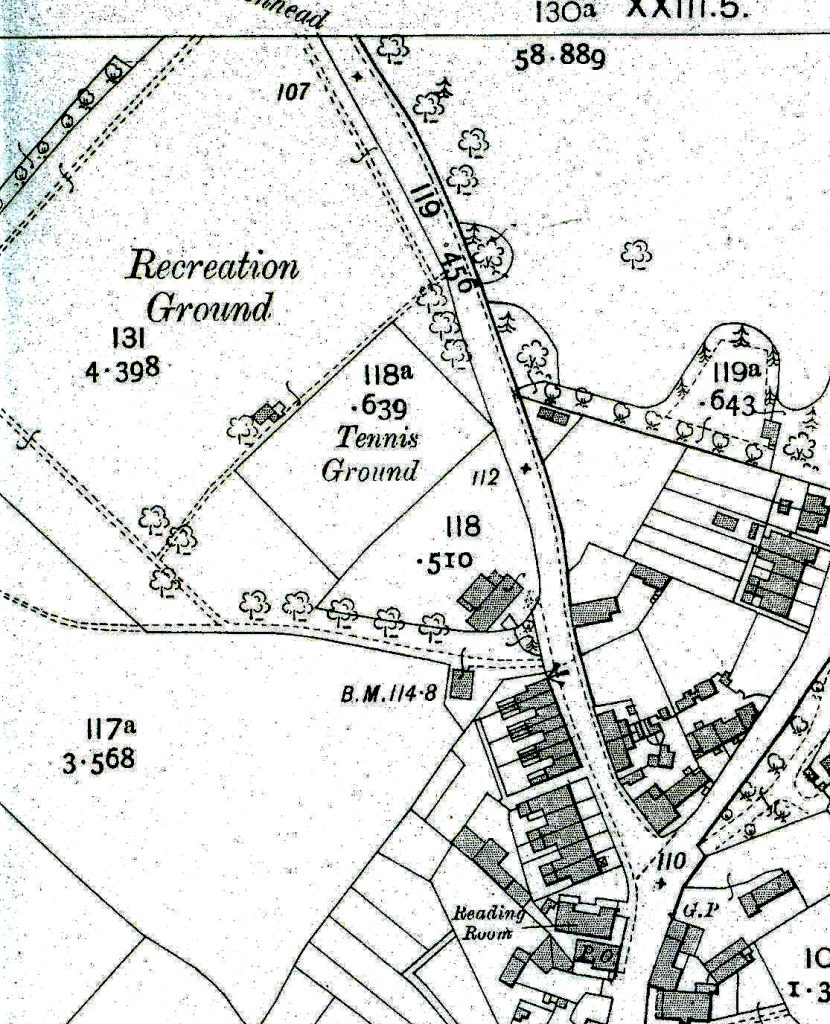
The 1911 plan shows the Recreation Ground beside Eastham Village Road, almost directly opposite the land which would later become Torr Park.
It also shows the tennis courts and several small buildings.
One of those buildings may have been particularly important to village life.
It was known simply as The Shanty.
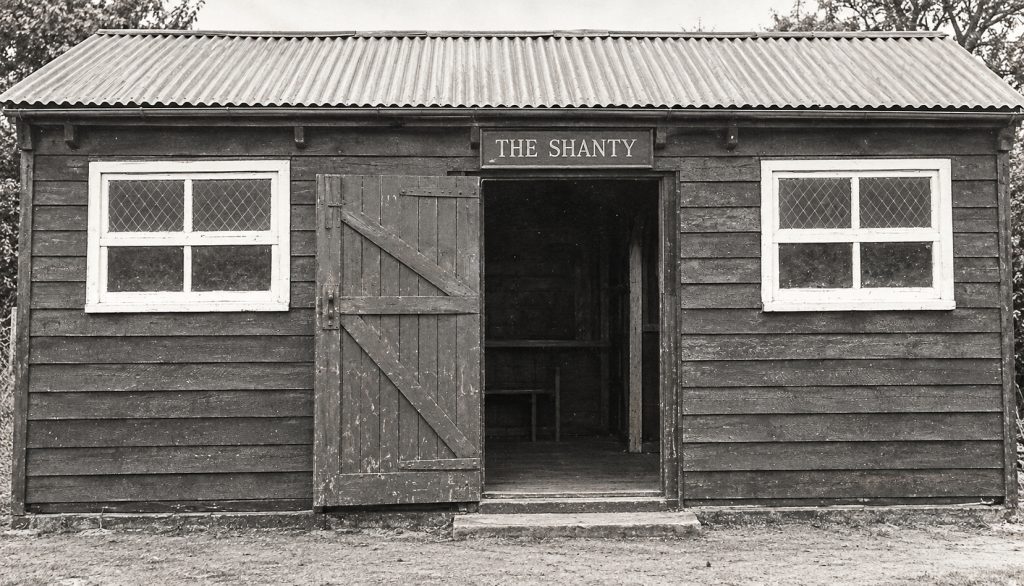
The Shanty
The Shanty was a timber-built clubhouse with a corrugated roof, standing close to the entrance to the Recreation Ground.
It was much more than a changing room.
Ena Stanley remembered the building from the years before the First World War. Young men played billiards there in the evenings. In winter there were whist drives for married couples.
And in summer there was another important function:
the cricket teas were served there.
Tennis teas were provided too whenever visiting teams came to Eastham.
The Shanty reminds us that the Recreation Ground wasn’t simply somewhere people came to play sport.
It had become part of the social life of the village.
The People Behind the Ground
The Recreation Ground also developed its own organisation and its own cast of characters.
The surviving records preserve some of their names and portraits.
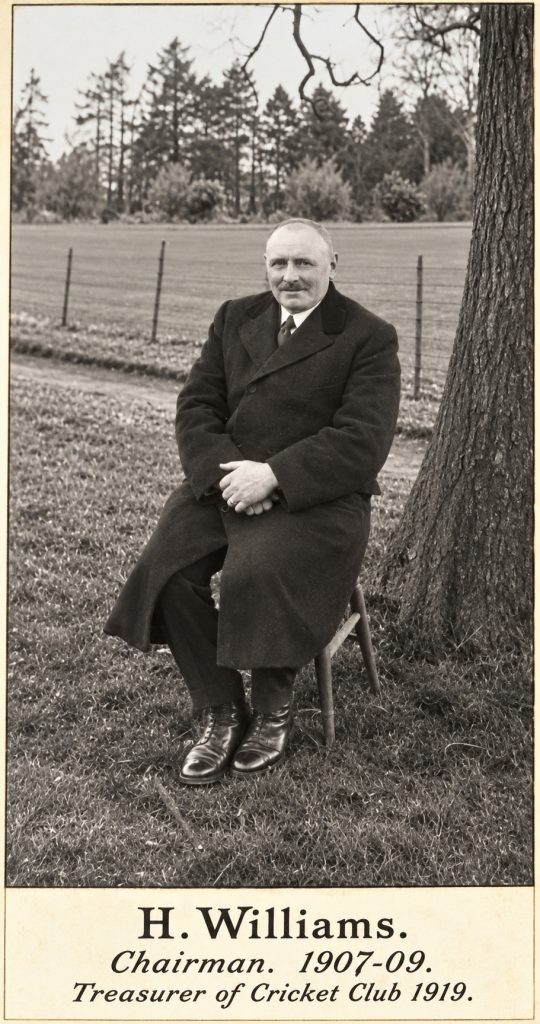
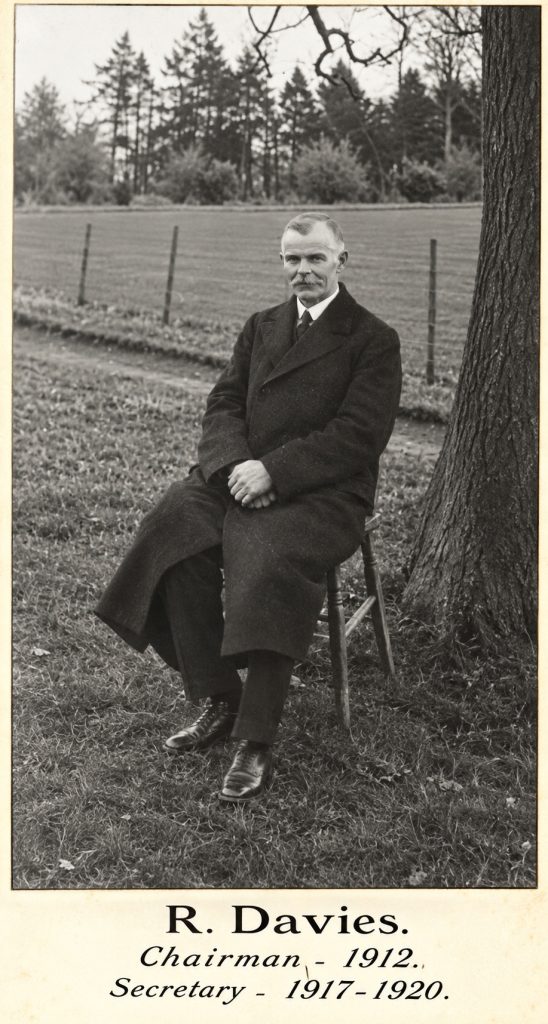
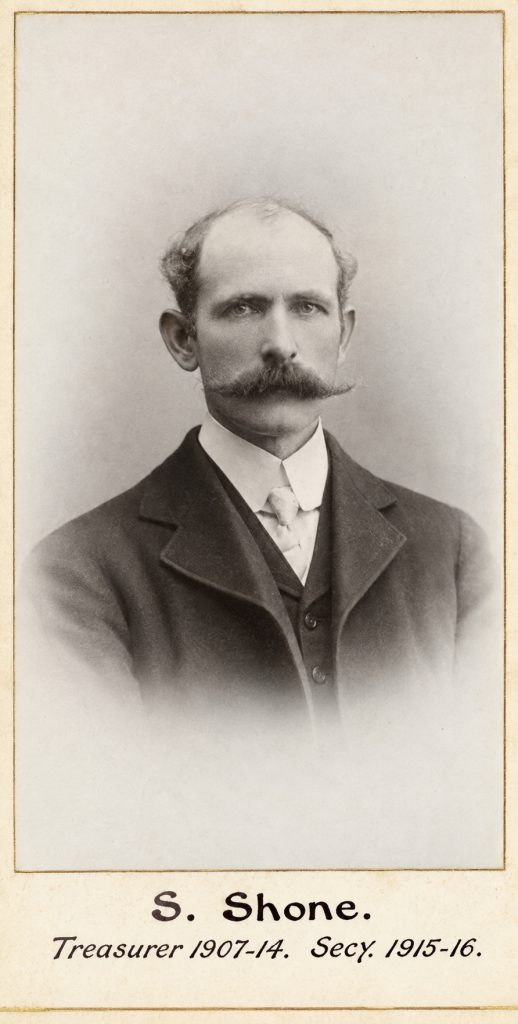
They were among the villagers who turned the original idea into something that survived for two decades.
Behind those names were many others — committee members, players, tea makers, groundsmen and volunteers whose contribution can gradually be reconstructed from the surviving records.
Twenty Years On
By 1920, the Recreation Ground appeared to be firmly established.
That year Canon Torr was presented with an extraordinary six-page Illuminated Address.
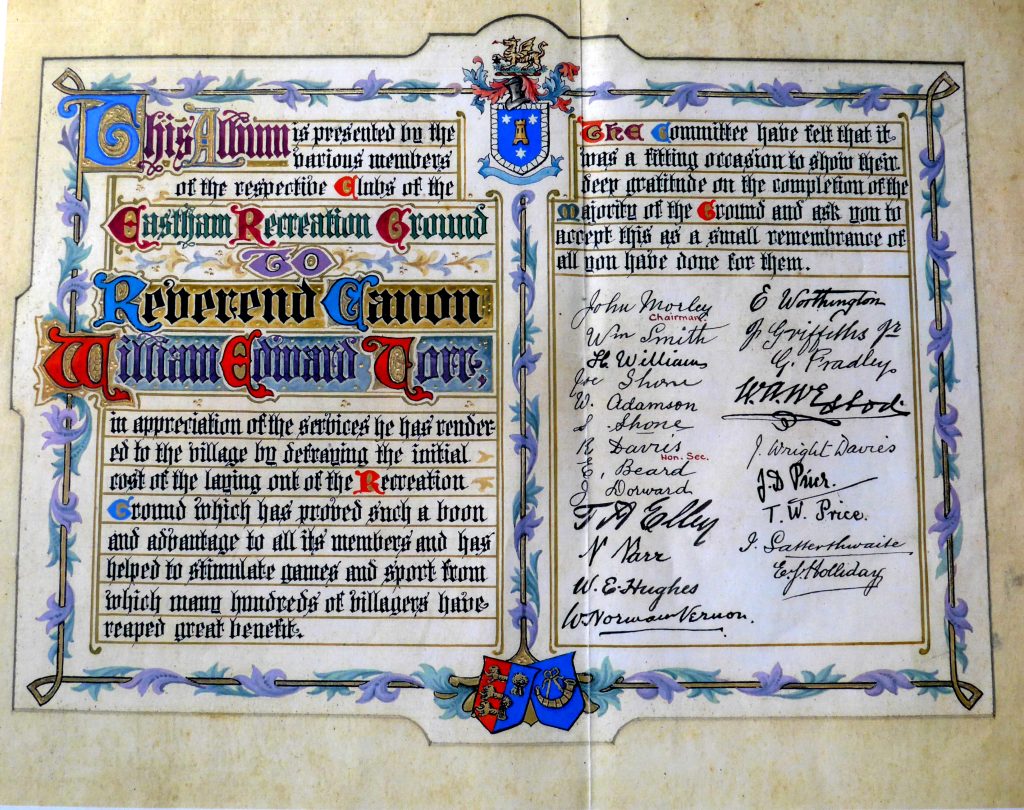
Beautifully illustrated and signed by those involved in village sport, it celebrated some twenty years of sporting activity and thanked Canon Torr for his contribution.
In particular, it acknowledged his role in:
“defraying the initial cost of the laying out of the Recreation Ground”
The Address provides us with an exceptional record of Eastham’s sporting life.
Its words, pictures and signatures preserve the names and faces of some of the people who had made Canon Torr’s 1899 vision a reality.
Everything suggested that the Recreation Ground had become a permanent part of village life.
But it hadn’t.
But There Was a Flaw…
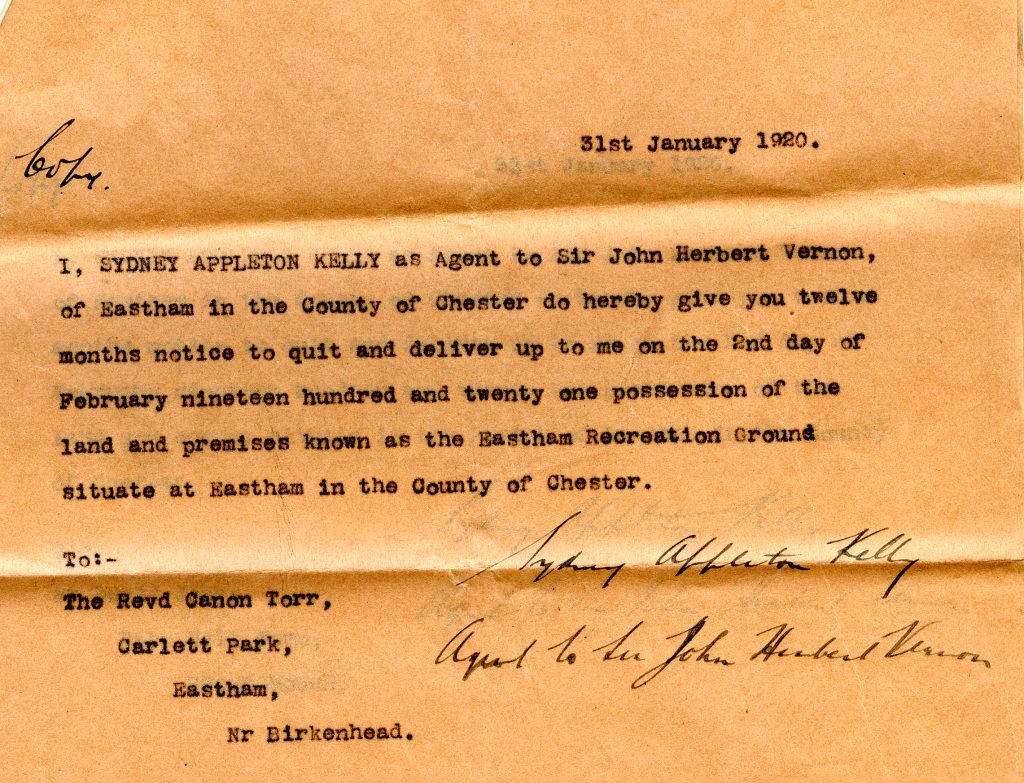
On 31 January 1920, a Notice to Quit was issued for the Recreation Ground.
After more than twenty years, the security of the ground suddenly came into question.
The surviving correspondence reveals a problem that had apparently mattered little while the ground was being happily used, but now became crucial:
who actually controlled the land — and how securely had the Recreation Ground ever been protected?
Canon Torr had helped create it. He had contributed towards laying it out. Generations of villagers had played there.
But that did not necessarily mean that he could prevent its loss.
A Celebration — and a Crisis
There is something particularly poignant about the surviving documents.
In the same year that villagers presented Canon Torr with an elaborate Illuminated Address celebrating twenty years of sport, events were unfolding which threatened the future of the very ground they were celebrating.
The subsequent correspondence has a sense of events moving quickly.
Questions of ownership and legal title suddenly mattered very much indeed.
For Canon Torr, the experience must have been deeply disappointing.
The ground had embodied his hope of bringing together:
“old and young, rich and poor, the strong with the infirm.”
Now its future was beyond his control.
What Happened Next?
The loss of security over the Recreation Ground leaves us with several intriguing questions.
What happened to the sporting clubs that had used it?
Where did the cricket club go?
And did Canon Torr’s experience of seeing one recreation ground placed beyond his control influence what he subsequently did with land of his own?
We cannot yet answer all of those questions with certainty.
But within a few years the story would return to the other side of Eastham Village Road — to the former Carlett Park estate and the land on which cricket had first been established decades earlier.
Eventually, that land would acquire a new name: Torr Park.
Explore the Story
Follow the story from the beginning — or jump straight to another period.